FESOJ Convenes Panel to Discuss Implementation of Recommendations from its Annual Press Freedom Report in Somalia
Mogadishu, Friday, July 4, 2025 — The Federation of Somali Journalists (FESOJ) concluded a two-day multi-stakeholder panel discussion on how to implement key recommendations from its annual report on violations against Somali journalists from May 2024 to May 2025.
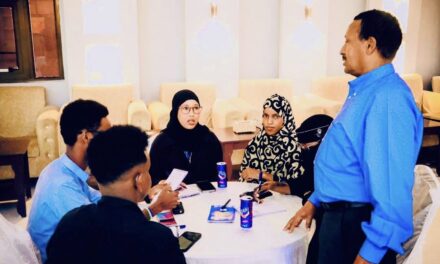
The event, held at Hotel Sahafi in Mogadishu, Somalia, was planned from June 29 to June 30, 2025. On the first day, FESOJ conducted visits and consultations with the multi-stakeholders, while the actual panel discussion event was conducted on the second day, June 30, 2025.
In his opening remarks, Farah Omar Nur, Secretary General of FESOJ, highlighted the importance of focusing discussions on the recommendations issued in FESOJ’s Annual Press Freedom Report, in connection with the commemoration of World Press Freedom Day, May 3, 2025.
The event began with a comprehensive and concise presentation outlining the FESOJ Annual Report, covering the period from May 2024 to May 2025. The report recorded 52 violations, including four deaths, widespread detentions, torture, and targeted attacks. These incidents highlight a troubling trend of impunity and intimidation against the media.
The presentation, facilitated by Ahmed Ali Mohamed (Sharif), FESOJ Training Secretary, concluded by pointing out valuable recommendations addressed to five key multi-stakeholders: the Federal Government of Somalia, Federal Member States and local authorities, armed groups and non-state actors, Somali journalists, and development partners and international organizations.
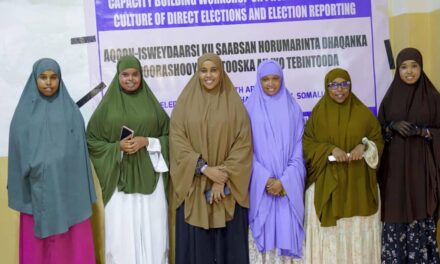
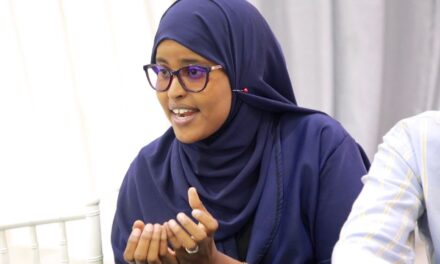
The panel discussion that followed featured a diverse group of speakers, including Abdulkadir Mohamed Adde, Director of Independent Media at the Ministry of Information; Avv. Imaan Ahmed Abdikarim, CEO of Hiil Law Firm; Wali Hashi, VIKES Somalia Program Specialist, Finnish Media Development Foundation (VIKES); Dr. Ahmed Dini, Director of Peace Line Organization; and Halima Daud Mohamed, a female journalist, who moderated the panel discussion.
The discussion explored key steps to implement the report’s recommendations, including:
-
Media multi-stakeholders should jointly stand up to defend the rights and safety of journalists and media professionals. Furthermore, independent media organizations should hold accountable any reporter arrested for unethical conduct to prevent similar incidents in the future.
-
Journalists should practice ethical journalism when reporting news and programs, and avoid using provocative language.
-
Security agencies must follow legal procedures and good governance practices when detaining journalists or shutting down media outlets.
-
Awareness must be raised about fake journalists using social media to spread disinformation and defamation, seeking arrest as a strategy to gain international media partners’ attention, support, and relocation.
-
Government media, independent media, and civil society should initiate dialogue to establish a commonly agreed Somali National Media Council.
-
To ensure neutrality and professionalism, journalists should receive adequate salaries to meet their basic economic needs.
“The panel discussion event is expected to further strengthen cooperation among media stakeholders, improve journalist safety, promote media freedom, and ensure accountability in addressing challenges facing the Somali media sector,” Farah Omar Nur, FESOJ Secretary General, stated in his closing remarks.